
How To Make A Cat Happy By Petting | Simple Tips
Learning how to make a cat happy by petting is less about touching your cat as much as possible and more about understanding what your cat actually enjoys. Some cats love long cuddles, while others prefer a few gentle strokes before walking away.
The key is to pay attention to body language, start with areas most cats commonly tolerate well, and let your cat control the interaction. When petting is calm and predictable, it can become a pleasant way to strengthen the bond between you and your cat.
Start With Your Cat’s Permission:

Cats communicate a great deal through body language. Before reaching toward your cat, give it an opportunity to approach you or show interest.
Let Your Cat Come to You
Sit nearby and allow your cat to decide whether it wants attention. A cat that approaches, rubs against you, or presents its head may be inviting interaction.
Avoid chasing or grabbing a cat that walks away. Giving your cat control can make future interactions more comfortable.
Offer Your Hand First
Hold your hand near your cat without immediately touching it. Let your cat sniff your fingers and decide whether to move closer.
If your cat leans toward your hand, gently begin petting. If it turns away or retreats, give it space.
Focus on Areas Many Cats Enjoy
Every cat is different, but many cats prefer gentle attention around the head and face rather than being touched everywhere.
Try the Cheeks and Chin
Slowly stroke the cheeks or gently scratch underneath the chin if your cat appears comfortable. Cats have scent glands around parts of the face, and some enjoy gentle rubbing in these areas.
Keep your movements slow instead of repeatedly rubbing the same spot with pressure.
Pet Between the Ears
Gentle strokes across the top of the head can be enjoyable for many cats. Use light pressure and observe your cat’s response.
If your cat pushes its head into your hand, it may be asking you to continue.
Learn Your Cat’s Favorite Petting Pattern:

A cat may have a very specific preference for how it likes to be touched. Some enjoy short strokes, while others prefer gentle scratching.
Follow the Direction of the Fur
Generally, gentle strokes following the direction of the fur are a good starting point. Avoid pulling, tugging, or repeatedly rubbing against the coat.
Watch your cat’s reaction rather than assuming that one technique works for every animal.
Keep the Pressure Light
Start with very gentle pressure. If your cat relaxes and leans into your hand, you can continue at a similar intensity.
Sudden heavy pressure can make an otherwise enjoyable interaction uncomfortable.
Pay Attention to Cat Body Language:

Knowing how to make a cat happy by petting requires learning when your cat wants more attention and when it has had enough.
Signs Your Cat Is Enjoying It
Positive signs can include leaning into your hand, relaxed muscles, a comfortable posture, slow blinking, purring, or calmly remaining near you.
However, purring alone does not always mean a cat is happy, so consider the entire body rather than relying on one signal.
Signs Your Cat Wants You to Stop
Watch for tail flicking, skin twitching, ears moving backward or sideways, sudden tension, turning the head toward your hand, moving away, or attempting to leave.
If these signs appear, stop petting and allow your cat to take a break.
Avoid Sensitive Areas at First
Some parts of a cat’s body can be more sensitive than others. Starting with less sensitive areas can make interactions more predictable.
Be Careful Around the Belly
A cat exposing its belly does not necessarily mean it wants a belly rub. Cats may expose their stomach while resting because they feel comfortable and secure.
Unless you already know your cat enjoys belly contact, avoid treating the exposed belly as an invitation.
Handle the Tail Gently
The tail can be sensitive, and pulling or squeezing it can cause discomfort. If your cat enjoys having its back stroked, keep your movements gentle and avoid grabbing the tail.
Make Petting Part of a Calm Routine
Petting can become more enjoyable when it happens in a peaceful environment.
Choose Quiet Moments
Try petting your cat when it is relaxed rather than when it is frightened, overstimulated, eating, or actively trying to escape.
A quiet evening, after a short play session, or during a relaxed resting period may be a better opportunity.
Read Next: How To Take Care Of An Indoor Cat | A Complete
Keep Sessions Short
You do not need to pet your cat for a long time to show affection. Several short, positive interactions may work better than one extended session.
Stop while your cat is still comfortable rather than waiting until it becomes irritated.
Combine Petting With Other Forms of Enrichment
Petting is only one way to make a cat feel comfortable and connected to you.
Use Interactive Play
Wand toys, toy mice, tunnels, and other appropriate toys can provide exercise and mental stimulation. Play also gives cats an opportunity to express natural stalking and chasing behaviors.
A short play session followed by calm petting may become a pleasant routine for some cats.
Provide Comfortable Resting Places
A soft bed, quiet hiding spot, or secure elevated perch gives your cat choices about where to relax.
Cats often feel more secure when they can move away from interaction whenever they want.
Help a Nervous Cat Become Comfortable With Touch
A shy or newly adopted cat may not immediately enjoy being petted. Building trust can take time.
Begin Without Touching
Spend time sitting quietly in the same room. Speak softly and allow your cat to observe you without pressure.
You can gradually offer your hand when the cat begins approaching voluntarily.
Reward Calm Interaction
If appropriate for your cat, a small treat can help create a positive association with your presence. Never force physical contact in exchange for food.
The goal is for the cat to learn that being near you is safe and predictable.
Avoid Common Petting Mistakes
Even affectionate owners can accidentally overwhelm a cat.
Do Not Force Cuddling
Holding a cat tightly or preventing it from leaving can create stress. If your cat wants to walk away, let it go.
Respecting this boundary can actually strengthen trust.
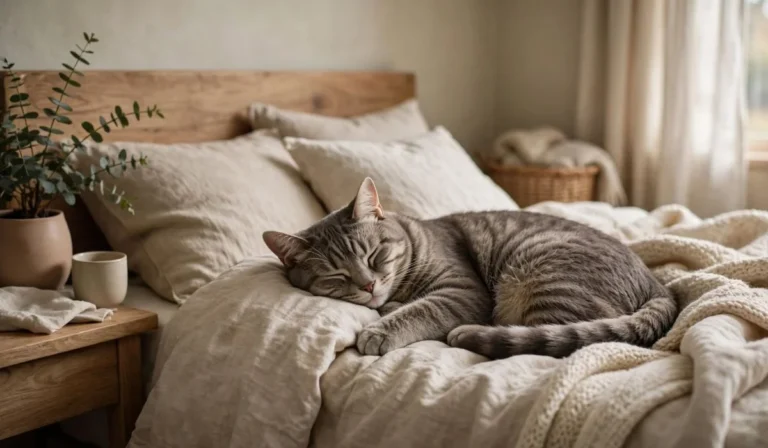
Do Not Surprise a Sleeping Cat
Touching a sleeping cat suddenly can frighten it. Approach calmly and allow the cat to wake naturally when possible.
This is especially important with cats that startle easily.
Consider Your Cat’s Individual Personality
Breed, age, previous experiences, health, and personality can all influence how a cat responds to physical contact.
Some cats are naturally affectionate and seek frequent interaction. Others prefer being close to their humans without being touched constantly.
Respect Different Forms of Affection
A cat may show attachment by following you around, sitting beside you, sleeping near you, greeting you at the door, or slowly blinking at you.
Your cat does not have to sit on your lap to have a strong bond with you.
Watch for Sudden Changes in Touch Sensitivity
If a cat that normally enjoys petting suddenly becomes aggressive, avoids touch, or reacts painfully when a particular area is touched, consider contacting a veterinarian.
Pain Can Affect Behavior
Changes in tolerance for touch can sometimes accompany injury or illness. A cat that suddenly dislikes being handled may be communicating that something hurts.
Avoid repeatedly touching a sensitive area to investigate it yourself.
A Simple Happy-Cat Petting Routine
A gentle routine can be as simple as sitting beside your cat, offering your hand, allowing it to approach, and giving a few soft strokes around the head or cheeks.
Pause frequently. If your cat remains relaxed or asks for more contact, continue. If it turns away, stop.
Over time, these small interactions can become a reliable way to build trust without overwhelming your cat.
Frequently Asked Questions
Where do cats usually like to be petted?
Many cats enjoy gentle petting around the cheeks, chin, forehead, and area between the ears. Individual preferences vary, so always watch your cat’s body language.
How do I know if my cat likes being petted?
A relaxed posture, leaning into your hand, remaining close, slow blinking, and other calm behaviors can indicate that your cat is comfortable. Look at several signals together rather than relying only on purring.
Why does my cat move away when I pet it?
Your cat may have had enough stimulation, dislike the particular area being touched, or simply not want physical contact at that moment. Give it space and try again another time.
Do cats like belly rubs?
Some cats do, but many do not. Showing the belly often indicates that a cat feels comfortable rather than that it wants its stomach touched.
Should I pet my cat while it is sleeping?
It is generally better to avoid suddenly touching a sleeping cat. Let your cat wake naturally or approach calmly so you do not startle it.
How long should I pet my cat?
There is no universal ideal duration. Short sessions are often a good starting point. Stop when your cat shows signs that it has had enough.
Can petting make a cat happier?
For cats that enjoy physical contact, gentle petting can be a positive form of social interaction. It should always be voluntary and appropriate to the individual cat.
How can I get my shy cat to enjoy petting?
Start by building trust without touching. Sit quietly nearby, allow your cat to approach, and gradually introduce gentle contact when the cat appears comfortable.
Why does my cat bite me while I am petting it?
Some cats become overstimulated during petting. Tail movement, skin twitching, tense posture, or changes in the ears can appear before a bite. Stop when early warning signs occur.
What should I do if my cat suddenly hates being touched?
Avoid forcing contact and observe whether the sensitivity is limited to a particular body area. If the change is sudden, persistent, or associated with other unusual behavior, contact a veterinarian.