How To Take Care Of A 4 Week Old Kitten Without A Mother | Complete Feeding, Warmth, Weaning, Litter Training & Care Guide
Taking care of a 4 week old kitten without a mother requires patience, warmth, proper nutrition, hygiene, and close observation. At this age, a kitten is entering an important transition period. It may be able to walk, explore, play, and begin learning to eat soft food, but it is still too young to manage completely on its own.
A motherless 4 week old kitten needs a safe sleeping area, kitten-specific milk replacer, age-appropriate food, clean water, litter-training support, and regular veterinary care. The exact needs can vary depending on the kitten’s health and development, so monitoring weight and behavior is especially important.
Understanding a 4 Week Old Kitten’s Needs:
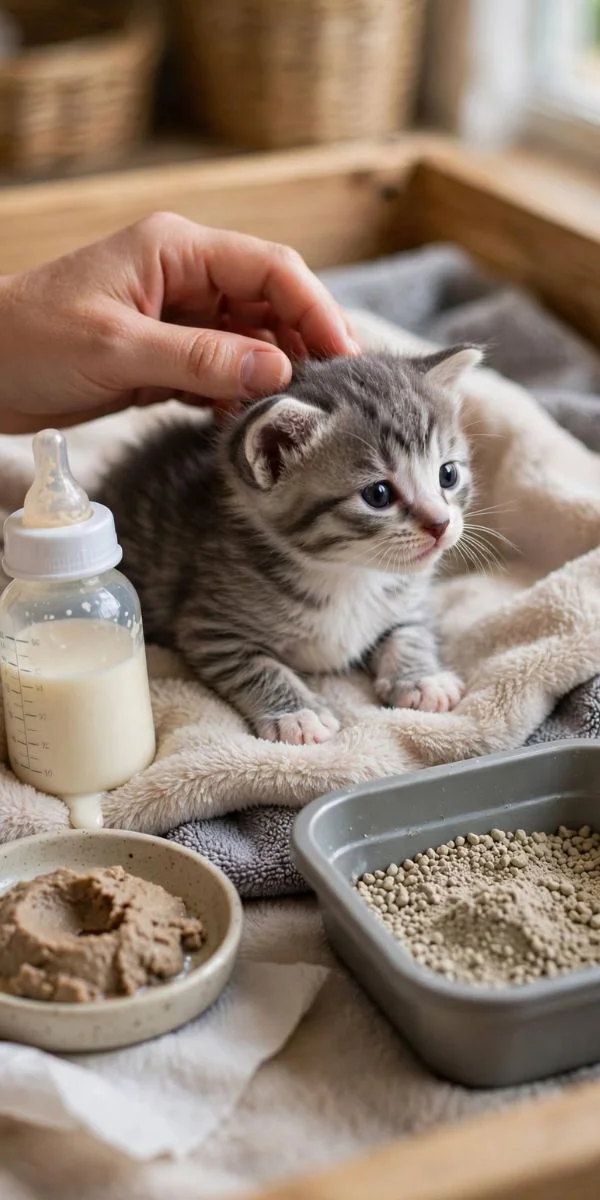
A 4 week old kitten is generally in the early weaning stage. Its eyes should be open, its ears more upright, and its movements becoming more coordinated. It may start running, climbing short distances, and showing curiosity about its surroundings.
However, being more active does not mean the kitten is fully independent.
At four weeks, many kittens are still dependent on milk replacer for part of their nutrition while gradually learning to eat solid food. They also need a warm, secure environment because they are still developing their ability to regulate body temperature.
What a kitten can usually do at 4 weeks:
You may notice your kitten:
- Walking and exploring more confidently
- Playing with toys or littermates
- Beginning to groom itself
- Showing interest in wet kitten food
- Developing baby teeth
- Beginning to use a litter box
- Sleeping for long periods between active sessions
- Becoming more responsive to people and sounds
Every kitten develops at a slightly different pace. A kitten that appears weak, unusually quiet, or significantly behind expected development should be evaluated by a veterinarian.
Create a Warm and Safe Nest
Warmth is one of the first priorities when caring for a motherless kitten. Although a four-week-old kitten has better temperature control than a newborn, it can still become chilled, particularly if it is sick, underweight, or exposed to a cold environment.
Choose a small, quiet area away from drafts, loud appliances, other pets, and heavy household traffic.
Make the sleeping area comfortable:

Use a washable blanket or soft towel to create a cozy nest. The bedding should be dry and free from loose threads that could wrap around the kitten’s legs or neck.
If additional warmth is needed, use a pet-safe heating source designed for kittens and make sure the kitten can move away from it. Avoid placing a heating pad directly against the kitten’s body because excessive heat can cause burns or overheating.
A cardboard box, small pet bed, or secure kitten enclosure can work well as long as there is enough ventilation and the kitten cannot escape into unsafe areas.
Keep the environment clean
Replace wet or dirty bedding promptly. Young kittens can become dirty easily while learning to eat and use the litter box.
Wash bedding regularly and clean food and water dishes every day.
Feed a 4 Week Old Kitten Properly
Nutrition is one of the biggest challenges when a kitten is separated from its mother. At four weeks, the kitten is usually beginning the weaning process, but milk replacer can still be an important part of its diet.
Never assume that a kitten is ready to stop milk completely simply because it has reached four weeks.
Use kitten milk replacer when needed
If the kitten is still nursing-age, use a commercially prepared kitten milk replacer rather than cow’s milk.
Cow’s milk does not provide the correct nutritional balance for growing kittens and may cause digestive upset.
Prepare the milk replacer according to the manufacturer’s instructions. Do not make it stronger or weaker unless a veterinarian specifically recommends a change.
Begin introducing wet kitten food:
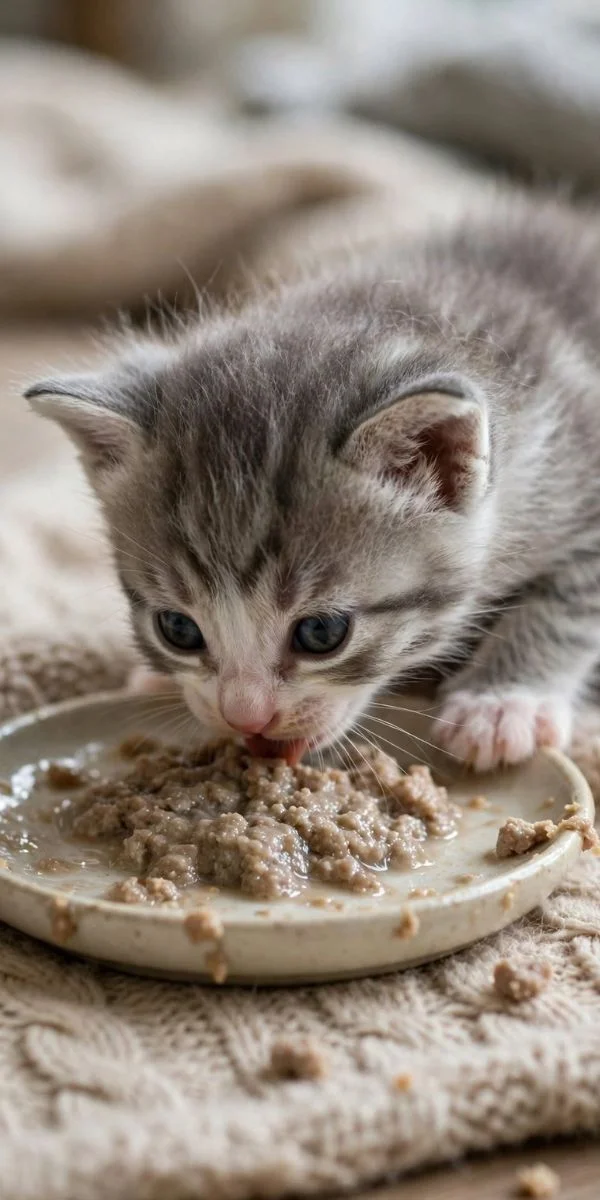
At around four weeks, many kittens can start learning to eat a gruel or soft kitten-food mixture.
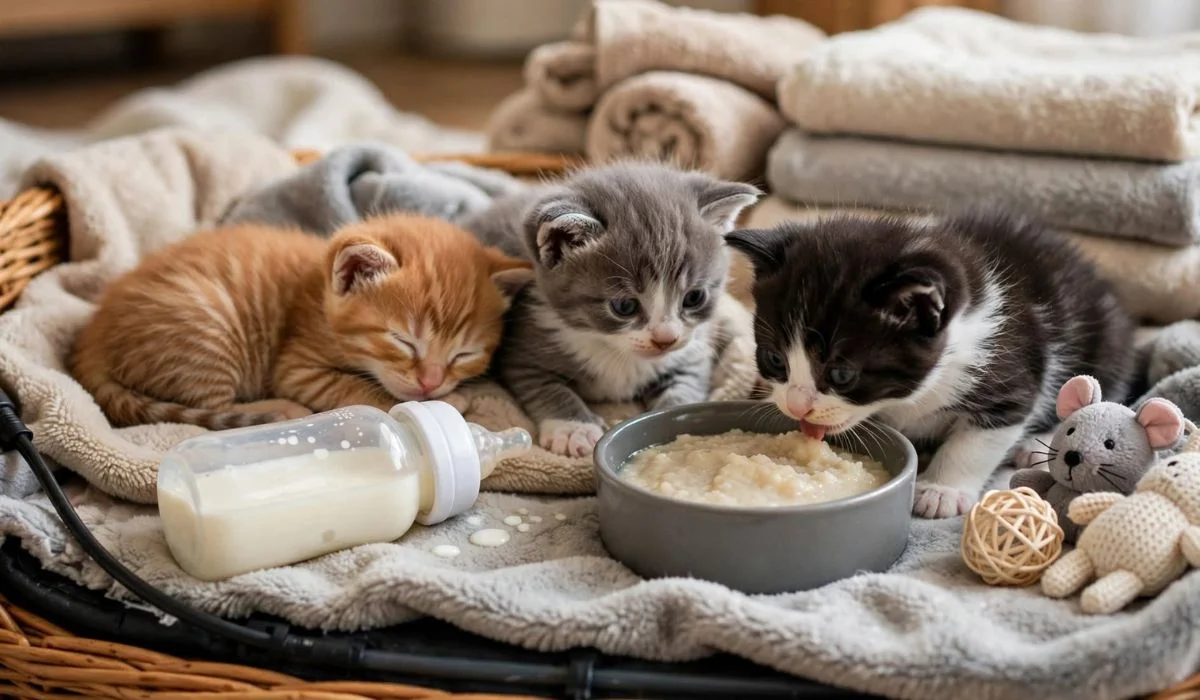
You can offer a small amount of complete kitten food mixed with kitten milk replacer or warm water to create a soft consistency. Place it in a shallow dish that is easy for the kitten to reach.
At first, the kitten may walk through the food, lick its paws, or play with the mixture instead of eating properly. That is normal during the learning stage.
Gradually make the mixture thicker as the kitten becomes more comfortable eating.
Feed small meals regularly:
Young kittens have small stomachs and high energy requirements. They generally need several opportunities to eat throughout the day rather than one or two large meals.
Follow the feeding directions on the kitten milk replacer and ask a veterinarian about the appropriate amount for the kitten’s weight and health.
Do not force-feed a kitten that is refusing food unless you have been specifically instructed how to do so by a veterinary professional.
Make Weaning Easier
Weaning is a gradual process rather than something that should happen overnight.
A four-week-old kitten may happily drink milk replacer but have little experience with solid food. Another kitten may immediately show interest in wet food.
Encourage independent eating
Place a shallow plate of soft kitten food in front of the kitten. You can touch a tiny amount to the kitten’s lips to encourage tasting, but avoid pushing its face into the food.
Once the kitten learns that the food is edible, it will usually become more confident.
Keep fresh water available in a shallow, stable bowl as the kitten begins eating more solid food.
Watch for digestive problems
Changes in diet can sometimes cause loose stools. Introduce new foods gradually and monitor the kitten’s bowel movements.
Persistent diarrhea, vomiting, refusal to eat, weakness, or dehydration requires veterinary attention because young kittens can deteriorate quickly.
Help With Litter Box Training:
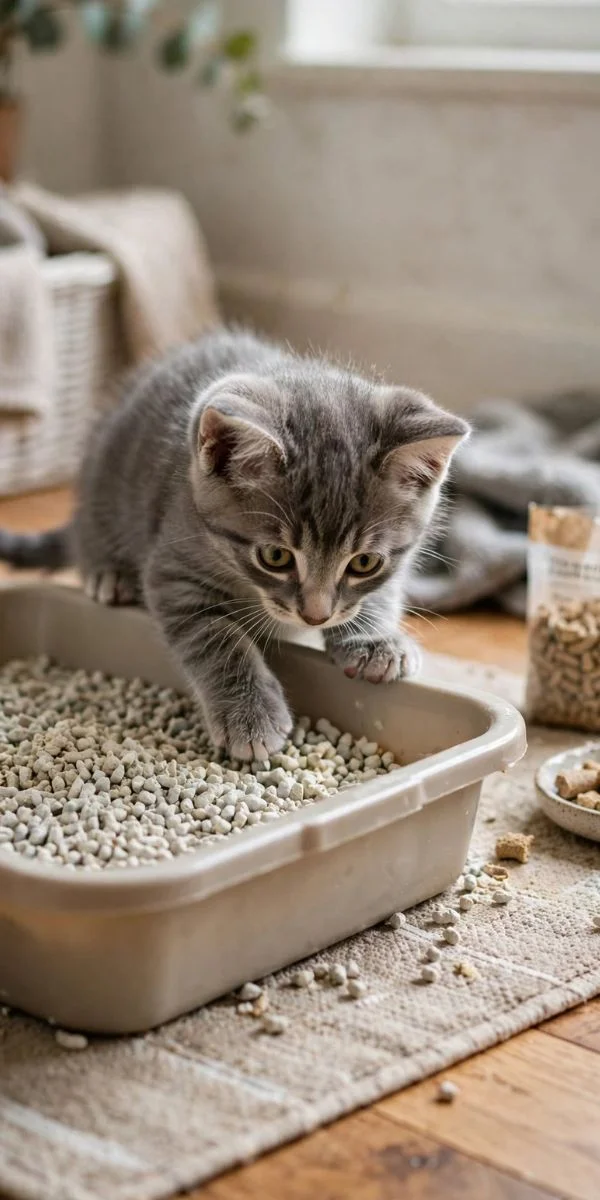
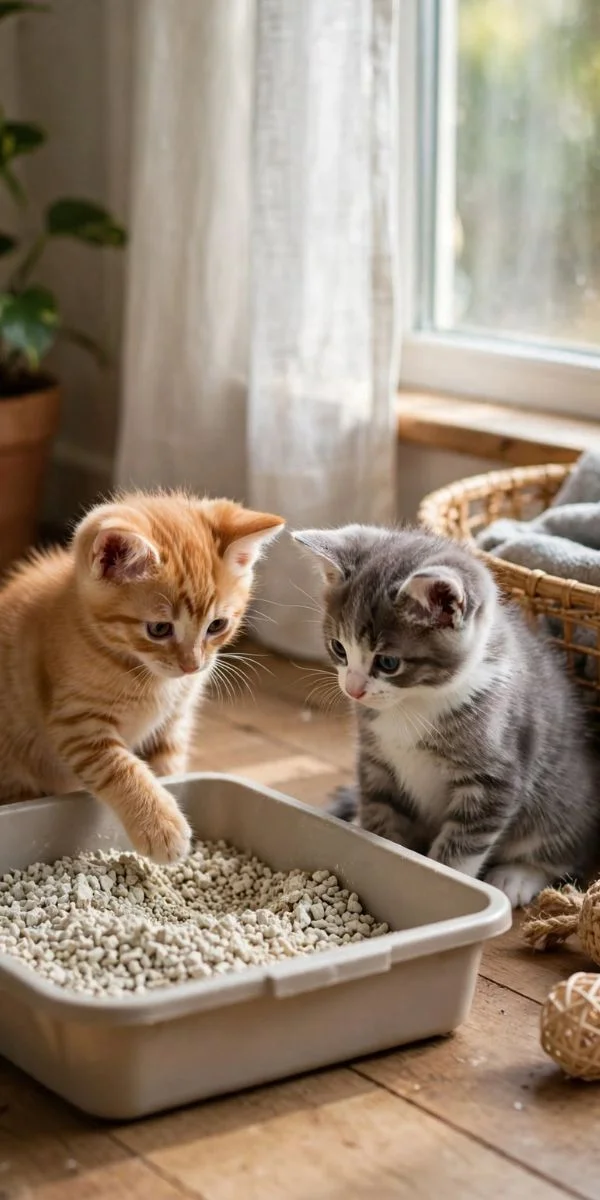
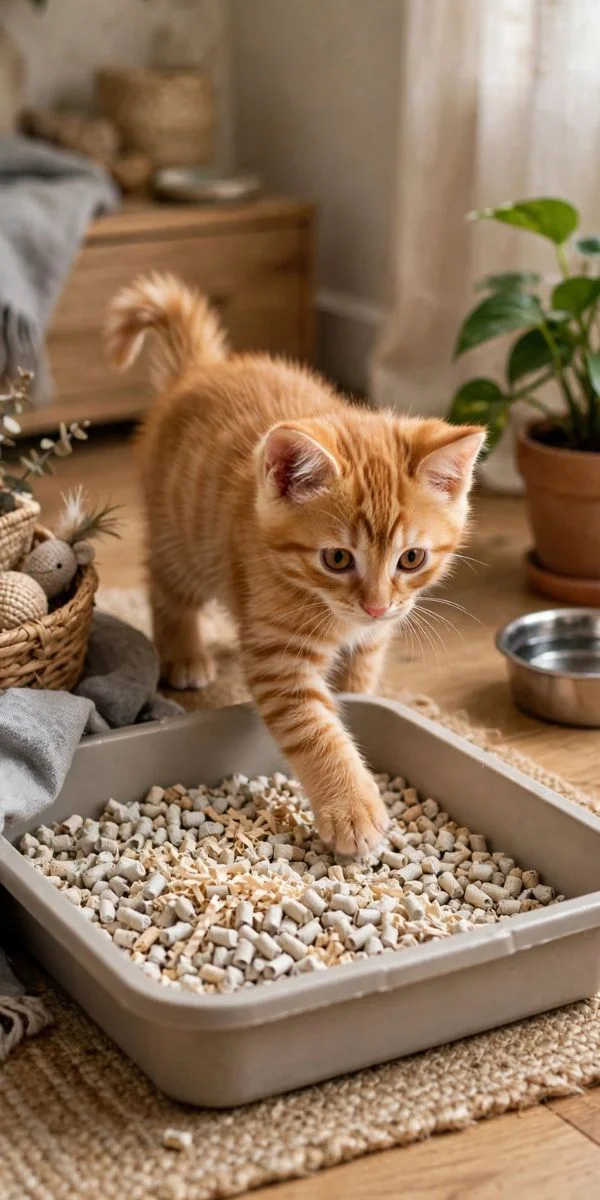
A four-week-old kitten is often beginning to develop the ability to use a litter box independently.
Choose a shallow box with an easy-to-enter side. Put it somewhere close to the kitten’s sleeping and eating area but away from food and water.
Introduce the kitten to the box
Place the kitten in the litter box after waking, eating, and active play. Allow it to sniff and explore.
Use a kitten-safe litter and keep the box clean. A dirty box may discourage a young kitten from using it.
Accidents are normal during early training. Never punish, yell at, or frighten the kitten for making a mistake.
Monitor Weight and Growth
Regular weight monitoring is one of the most useful ways to determine whether a young kitten is thriving.
Use a small digital kitchen or pet scale that measures in grams. Weigh the kitten at the same time each day when possible and record the results.
Why daily weight matters
A kitten that is eating but not gaining weight may have an underlying health problem. A sudden weight loss can also be an early warning sign.
Keep a simple record containing:
- Date
- Body weight
- Food and milk intake
- Stool and urine observations
- Energy level
- Any unusual symptoms
Bring this information to your veterinarian if concerns develop.
Schedule a Veterinary Examination
A motherless kitten should receive professional veterinary care, particularly if its history is unknown.
A veterinarian can assess body condition, hydration, development, parasites, and signs of infection. They can also establish an appropriate vaccination and deworming plan based on the kitten’s age and health.
Ask about parasite prevention
Kittens can carry intestinal parasites or external parasites such as fleas. Fleas are particularly concerning in small kittens because heavy infestations can contribute to anemia.
Do not apply flea medication intended for adult cats unless a veterinarian confirms that the product and dose are appropriate for the kitten.
Discuss vaccinations and future care
Core vaccinations are generally started during kittenhood according to veterinary guidelines and continued through a series of doses.
Your veterinarian can also advise you about parasite control, identification or microchipping, spaying or neutering, and future nutrition.
Read next: How To Take Care Of A Kitten
Keep the Kitten Clean:
Mother cats normally help keep young kittens clean. When the mother is absent, you need to provide some of that care.
A four-week-old kitten may get food on its face, paws, chest, or belly while learning to eat.
Clean gently after meals
Use a soft cloth or cotton pad dampened with warm water to clean food from the kitten’s fur. Avoid soaking the kitten.
Dry the fur afterward so the kitten does not become chilled.
Never use harsh household cleaners, perfumes, essential oils, or human skincare products on the kitten.
Provide Appropriate Socialization
Four weeks is an excellent time for gentle, positive social experiences.
A kitten without its mother still needs opportunities to learn that humans, household sounds, handling, and everyday environments can be safe.
Handle the kitten gently
Pick the kitten up carefully and support its body. Short, calm handling sessions are usually better than prolonged restraint.
Let the kitten approach you when possible. Soft talking, gentle petting, and interactive play can help build confidence.
Avoid overwhelming the kitten with too many people, loud noises, or unfamiliar animals at once.
Give Safe Play Opportunities
A four-week-old kitten is becoming increasingly playful. Play helps develop coordination, confidence, and natural hunting behaviors.
Use lightweight kitten-safe toys that cannot easily be swallowed.
Avoid dangerous toys
Do not leave string, ribbon, rubber bands, small plastic pieces, or other easily swallowed objects unattended with the kitten.
Supervise interactive play and remove damaged toys immediately.
Short play sessions followed by rest work well because young kittens tire quickly.
Protect the Kitten From Household Hazards
A tiny kitten can squeeze into surprisingly small spaces. Before allowing it to explore, inspect the room carefully.
Keep electrical cords, toxic plants, chemicals, medications, open windows, balconies, and small objects out of reach.
Toilets, buckets of water, recliners, washing machines, dryers, and gaps behind appliances can also create serious risks.
Start with a kitten-proof room
A small, secure room is often easier to manage than giving a four-week-old kitten access to the entire home.
As the kitten becomes stronger and more coordinated, you can gradually expand its supervised exploration area.
Learn the Warning Signs
Young kittens can become seriously ill quickly. Knowing what requires veterinary attention can make a significant difference.
Contact a veterinarian promptly if the kitten:
- Refuses multiple meals
- Becomes extremely weak or difficult to wake
- Has repeated vomiting
- Develops persistent diarrhea
- Has difficulty breathing
- Appears dehydrated
- Has pale or white gums
- Feels unusually cold
- Stops gaining weight or loses weight
- Has severe bloating
- Develops eye or nasal discharge
- Has significant flea infestation
- Cannot stand or walk normally
If the kitten is struggling to breathe, unconscious, severely weak, or otherwise appears critically ill, seek emergency veterinary care.
A Simple Daily Routine for a 4 Week Old Kitten
Caring for a motherless kitten becomes easier when the day follows a predictable rhythm.
Morning
Check the kitten’s energy level and general appearance. Offer the appropriate milk replacer and/or soft kitten food. Refresh the water and clean the litter box.
If you are tracking weight, weigh the kitten and record it before a meal when practical.
During the day
Offer regular feeding opportunities according to the kitten’s nutritional plan. Provide short supervised play sessions and gentle social interaction.
Check the sleeping area and replace soiled bedding.
Evening
Give another meal, clean the dishes, inspect the litter box, and provide a calm period for rest.
Before bedtime, make sure the kitten is warm, secure, and unable to access household hazards.
Common Mistakes to Avoid
Even well-intentioned caregivers can accidentally make kitten care more difficult.
Do not give cow’s milk
Cow’s milk is not an appropriate substitute for a mother’s milk or kitten milk replacer.
Do not abruptly stop milk replacer
At four weeks, weaning is generally a process. Continue appropriate milk replacer while the kitten learns to eat solid food unless your veterinarian recommends otherwise.
Do not force food or water
A kitten that cannot eat normally may have an underlying health problem. Force-feeding without proper instruction can cause aspiration.
Do not use random medications
Human medicines and improperly dosed pet medications can be dangerous for kittens. Always consult a veterinarian before giving medication.
Do not leave a young kitten unsupervised with other pets
Even a friendly adult cat or dog can accidentally injure a small kitten. Introductions should be controlled and supervised.
4 Week Old Kitten Care Checklist
Use this quick checklist to stay organized:
-
Warm, secure sleeping area
-
Kitten milk replacer if still needed
-
Complete kitten food
-
Shallow food and water dishes
-
Shallow litter box
-
Kitten-safe litter
-
Clean bedding
-
Digital scale for weight monitoring
-
Kitten-safe toys
-
Veterinary examination
-
Vaccination and parasite-control plan
-
Daily observation of appetite and energy
-
Kitten-proof environment
Frequently Asked Questions
Can a 4 week old kitten survive without its mother?
Yes, a four-week-old kitten can be successfully raised by a human caregiver, but it still needs appropriate nutrition, warmth, hygiene, socialization, and veterinary care. The kitten’s health and ability to eat independently also influence how much assistance it needs.
What should I feed a 4 week old kitten without a mother?
Use commercially prepared kitten milk replacer when milk supplementation is still needed, while gradually introducing complete wet kitten food. At four weeks, many kittens are beginning the weaning process, but they may not yet be ready to rely entirely on solid food.
How often should a 4 week old kitten eat?
A four-week-old kitten generally needs multiple feeding opportunities throughout the day because it has a small stomach and high nutritional needs. Follow the milk-replacer manufacturer’s feeding instructions and your veterinarian’s recommendations for the kitten’s weight.
Can a 4 week old kitten drink water?
Yes. As the kitten begins eating solid food, provide fresh water in a shallow, stable dish. Some kittens may initially drink very little because they are still receiving substantial moisture from milk replacer and wet food.
Does a 4 week old kitten need help using the bathroom?
Many healthy four-week-old kittens are beginning to eliminate independently and can start learning to use a litter box. Very young kittens may require stimulation, but by four weeks this is generally becoming less necessary. If the kitten cannot urinate or defecate normally, contact a veterinarian.
Can I bathe a 4 week old kitten?
Avoid unnecessary full baths because young kittens can become chilled easily. If the kitten gets dirty, spot-clean it with a warm, damp cloth and dry it thoroughly. A veterinarian can advise you if a medicated bath is medically necessary.
How do I know if my motherless kitten is healthy?
A healthy kitten should generally be alert during active periods, interested in food, steadily gaining weight, and increasingly mobile. Healthy development should be assessed over time rather than from a single observation.
When should a 4 week old kitten see a veterinarian?
Arrange a veterinary examination as soon as practical, especially when the kitten’s history is unknown or it was found outdoors. Seek urgent care for weakness, breathing difficulty, repeated vomiting, persistent diarrhea, refusal to eat, dehydration, or other serious symptoms.
When can a 4 week old kitten eat solid food?
Four weeks is commonly around the beginning of the weaning period. Many kittens can start learning to eat soft kitten food at this age, but they may still need milk replacer while transitioning to a complete solid-food diet.
How can I make a motherless kitten feel secure?
Give the kitten a quiet sleeping space, predictable feeding times, gentle handling, appropriate warmth, and supervised play. Consistency helps a young kitten become comfortable with its new caregiver and surroundings.