How To Take Care Of Cats And Kittens | A Complete Guide
Taking care of a cat or kitten involves much more than putting out food and cleaning a litter box. Cats need appropriate nutrition, clean water, regular veterinary care, grooming, safe surroundings, exercise, mental stimulation, and a comfortable place to rest. Kittens have additional needs because they are still growing, learning, and developing important habits.
Whether you are caring for a playful kitten or an adult cat, understanding the basics can help you create a healthier and more comfortable life for your pet. The right routine will also make it easier to notice changes in appetite, behavior, litter box habits, or physical condition.
Getting Your Cat or Kitten Set Up at Home:
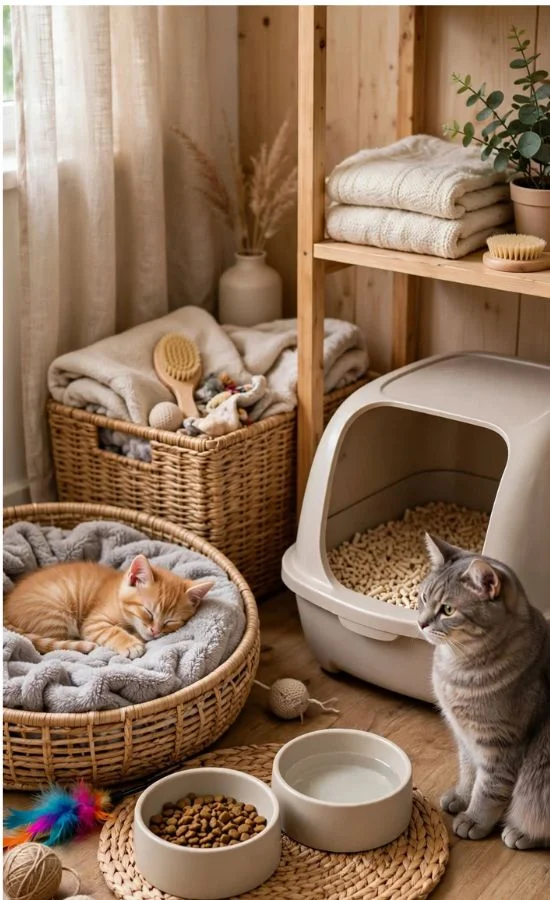
Before bringing a new cat home, prepare the basic supplies and create a secure environment. A new pet may feel overwhelmed by unfamiliar smells, sounds, people, and surroundings.
Essential Supplies for Cats and Kittens
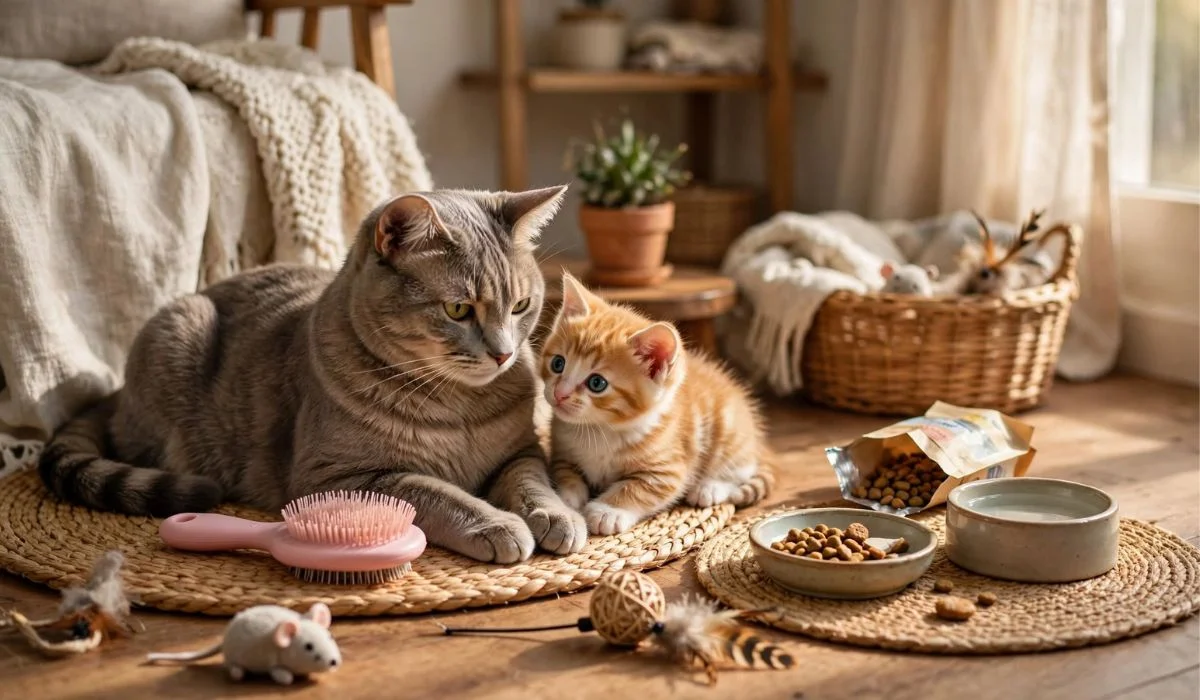
Start with the items your cat will use regularly:
- Complete and balanced cat food appropriate for their life stage
- Fresh water bowl or fountain
- Litter box and suitable litter
- Litter scoop
- Comfortable sleeping area
- Scratching post or scratching pad
- Age-appropriate toys
- Cat carrier
- Grooming brush
- Nail clippers designed for cats
- Identification information
- Safe cat furniture or climbing areas
Kittens may also need additional kitten-specific supplies, particularly food and toys designed for their smaller size.
Create a Quiet Starting Area
A newly adopted cat does not necessarily need immediate access to the entire house.
A quiet room with food, water, a litter box, a hiding place, and a comfortable sleeping area can give your new pet time to adjust. Let the cat explore at its own pace rather than forcing interaction.
As confidence increases, gradually introduce other areas of the home.
How to Feed Cats and Kittens Properly:

Nutrition is one of the most important parts of cat care. Cats have specific nutritional requirements, so their main diet should consist of food formulated for cats rather than human food.
Choose Food According to Age
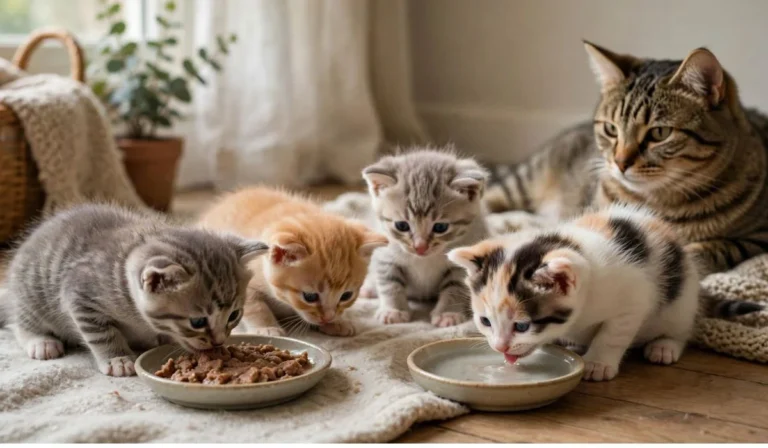
Kittens need food formulated for growth because their nutritional requirements differ from those of adult cats.
Adult cats generally need food designed to maintain their health and body condition. Senior cats may also have different nutritional considerations.
When choosing food, look for a product labeled as complete and balanced for the appropriate life stage.
Feed Kittens More Frequently
Young kittens generally need more frequent meals than adult cats because they have small stomachs and are growing rapidly.
The exact feeding schedule depends on the kitten’s age, size, food type, and individual needs. Follow the feeding guidance on the food and ask your veterinarian if you are uncertain about portions or meal frequency.
Measure Food Instead of Guessing
Free-feeding can make it difficult to know how much a cat is eating and may contribute to excessive calorie intake in some cats.
Measuring portions helps you monitor food consumption more accurately.
If your cat gains or loses weight unexpectedly, discuss the change with a veterinarian.
Keep Treats Limited
Treats can be useful for bonding and positive reinforcement, but they should not replace a complete diet.
Choose treats made specifically for cats and keep portions appropriate for your cat’s overall calorie needs.
Fresh Water Should Always Be Available:
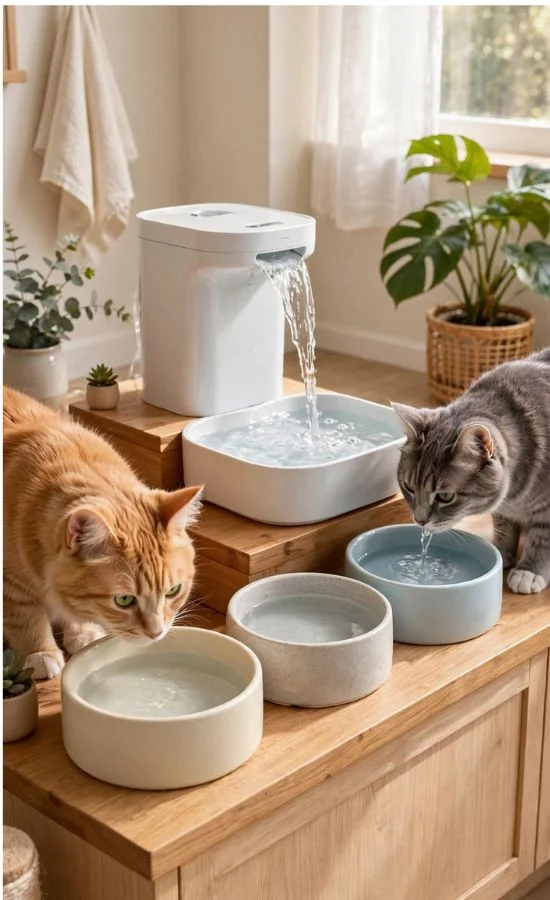
Cats should have access to clean drinking water every day.
Make Water Easy to Access
Place water where your cat can comfortably reach it. Some cats prefer water bowls, while others show more interest in moving water from a fountain.
Keep water containers clean and refresh the water regularly.
Watch for Changes in Drinking
Knowing your cat’s normal drinking habits is useful.
A noticeable increase or decrease in water consumption can sometimes accompany a health problem. If a change is persistent or accompanied by other symptoms, contact your veterinarian.
How to Care for a Cat’s Litter Box
Litter box care is an essential part of keeping cats comfortable and maintaining a clean home.
Choose the Right Litter Box
The box should be large enough for the cat to enter, turn around, dig, and eliminate comfortably.
For kittens, make sure the sides are low enough for easy access.
Keep the Box Clean
Scoop waste regularly and clean the box as needed.
Many cats prefer clean litter boxes and may become reluctant to use a heavily soiled box.
Provide Enough Litter Boxes
A commonly used guideline is one litter box per cat plus one additional box, although individual households may require adjustments.
Place boxes in quiet, accessible locations where cats can use them without feeling trapped or disturbed.
Never Punish Litter Box Accidents
If a cat suddenly stops using the litter box, punishment is not an appropriate solution.
Medical problems, stress, litter preferences, box placement, cleanliness, or other environmental issues can contribute to elimination problems. A sudden change should be investigated rather than treated as deliberate misbehavior.
Grooming Cats and Kittens
Cats are naturally good groomers, but they still benefit from regular grooming and physical checks.
Brush According to Coat Type
Short-haired cats often require less brushing than long-haired cats.
Long-haired cats may need frequent brushing to reduce tangles and prevent mats.
Use a brush appropriate for the coat and introduce grooming gradually if your cat is uncomfortable with it.
Check the Skin and Coat
While brushing, look for unusual changes such as:
- Bald patches
- Persistent itching
- Redness
- Wounds
- Swelling
- Excessive dandruff
- Fleas or other parasites
- Mats or tangled fur
A persistent or severe skin problem should be evaluated by a veterinarian.
Keep the Claws at a Healthy Length
Indoor cats may need occasional nail trimming.
Use cat-specific nail clippers and trim only the appropriate tip of the nail. Avoid cutting into the quick, which contains blood vessels and nerves.
If you are unsure how to trim the claws, have a veterinarian or professional groomer demonstrate the technique.
Read next: Basic Cat Care Tips For New Owners | A Complete Guide
Dental Care for Cats:
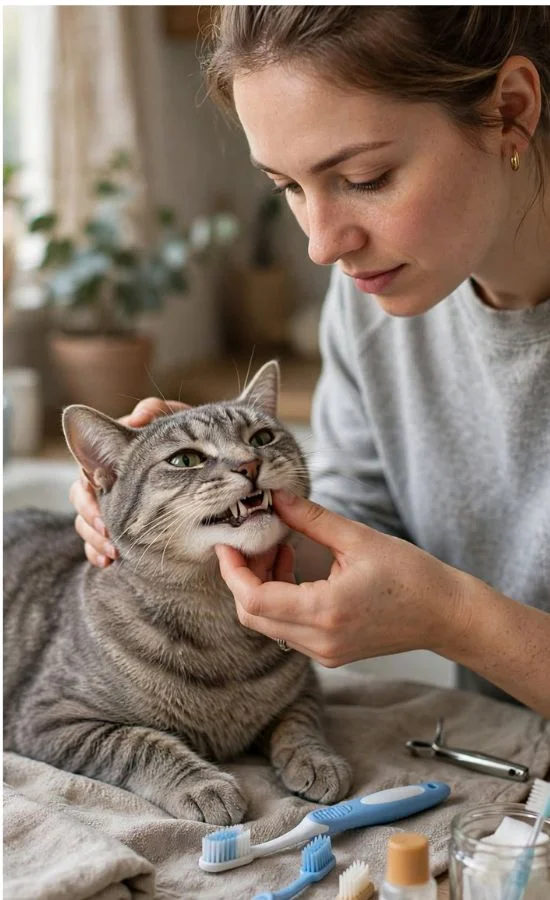
Oral health should not be overlooked when caring for cats.
Watch the Teeth and Gums
Pay attention to signs such as persistent bad breath, red or swollen gums, excessive drooling, difficulty chewing, dropping food, or changes in eating behavior.
Dental disease can be painful, and cats may not always show obvious signs of discomfort.
Establish a Dental Routine
Ask your veterinarian about cat-safe dental products and an appropriate home dental-care routine.
Never use human toothpaste unless a veterinary professional specifically confirms that it is suitable for your pet.
Keeping Cats and Kittens Active
Exercise helps cats maintain physical fitness while play provides mental stimulation.
Give Kittens Safe Play Opportunities
Kittens naturally spend a lot of time exploring, chasing, pouncing, and practicing coordination.
Provide toys that are appropriate for their size and supervise play with items containing strings, ribbons, or small parts that could be swallowed.
Encourage Adult Cats to Play
Adult cats also benefit from regular activity.
Try interactive toys, chase games, climbing structures, scratching posts, and food puzzles. Different cats prefer different activities, so experiment with safe options and observe what captures your cat’s interest.
Provide Vertical Space
Cat trees, shelves, and other secure elevated areas can give cats opportunities to climb and observe their surroundings.
Vertical space can be especially useful when indoor cats have limited floor space.
Socialization and Handling for Kittens:
The early months of a kitten’s life are an important period for learning about people, handling, sounds, environments, and everyday experiences.
Introduce New Experiences Gradually
Expose kittens to new experiences in a calm and controlled way.
Avoid overwhelming a kitten with too many unfamiliar people, loud noises, or stressful situations at once.
Positive experiences can help a kitten become more comfortable with routine handling.
Teach Gentle Handling
Handle paws, ears, mouth area, and body gently and briefly when the kitten is relaxed.
This can make future grooming, nail trimming, carrier use, and veterinary examinations easier.
Never force a frightened kitten to interact.
Keeping Your Home Safe for Cats
Cats are curious, and kittens are particularly likely to investigate objects by climbing, chewing, or batting them.
Remove Common Household Hazards
Keep potentially dangerous items away from your cat, including:
- Human medications
- Cleaning chemicals
- Toxic plants
- Small objects
- Loose electrical cords
- String and thread
- Rubber bands
- Certain foods
- Open containers of chemicals
- Unsecured windows
Research household plants before bringing them into a cat-accessible area because some plants can be toxic to cats.
Secure Windows and Balconies
Open windows and balconies can create serious fall hazards.
Use secure screens or other appropriate barriers and do not rely on a cat’s ability to judge height or distance.
Keep Unsafe Toys Away
String, ribbon, thread, and similar objects can cause serious problems if swallowed.
Use these toys only with supervision and store them safely afterward.
Veterinary Care for Cats and Kittens
Preventive veterinary care is an important part of responsible cat ownership.
Schedule Regular Examinations
A veterinarian can assess your cat’s overall health and recommend appropriate preventive care.
Kittens generally need several veterinary visits during their early development, while adult cats require ongoing wellness care based on their age and health.
Keep Vaccinations Current
Vaccination schedules vary according to age, lifestyle, geographic location, and risk of exposure.
Your veterinarian can determine which vaccines your cat needs and when they should be administered.
Discuss Parasite Prevention
Cats can be affected by fleas, ticks, intestinal parasites, and other parasites.
Ask a veterinarian which prevention products are appropriate for your cat. Never assume a product designed for another species is safe for cats.
Consider Microchipping
Microchipping can provide a permanent form of identification if a cat becomes lost.
Keep the registration information updated whenever your contact details change.
Special Care for Newborn or Very Young Kittens
Very young kittens require considerably more care than older kittens.
Orphaned Kittens Need Specialized Support
A newborn kitten without its mother may require bottle feeding, temperature support, elimination assistance, and careful monitoring.
Do not attempt to improvise a feeding routine without appropriate guidance. Very young orphaned kittens should be assessed by a veterinarian or experienced animal-care professional as soon as possible.
Keep Young Kittens Warm
Very young kittens have limited ability to regulate their body temperature.
A safe, appropriately controlled warm environment is important, but heating equipment must be used carefully to prevent burns or overheating.
Never Give Cow’s Milk as a Substitute
Regular cow’s milk is not an appropriate replacement for a mother’s milk for young kittens.
Orphaned kittens generally require a properly formulated commercial kitten milk replacer under appropriate guidance.
Caring for a Pregnant Cat and Her Kittens
A pregnant cat has additional nutritional and veterinary needs.
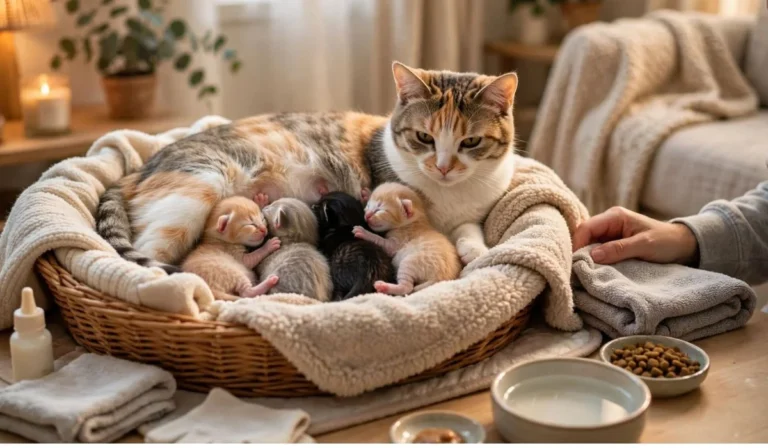
Provide a Comfortable Nesting Area
Give the mother cat a quiet, warm, clean area where she can give birth and care for her kittens.
Keep unnecessary disturbances to a minimum.
Monitor the Mother and Kittens
After birth, observe whether the kittens are nursing and whether the mother is attentive to them.
Weakness, persistent crying, failure to nurse, difficulty breathing, abnormal discharge, or other concerning signs require prompt veterinary attention.
How to Help a Cat Adjust to a New Home
Adjustment does not happen at the same speed for every cat.
Let Your Cat Set the Pace
Some cats begin exploring immediately, while others hide for several days.
Give your cat access to essentials and allow it to approach you voluntarily.
Maintain a Predictable Routine
Consistent meal times, play sessions, litter maintenance, and quiet periods can help a cat understand its new environment.
Avoid making unnecessary changes during the first few days of adjustment.
How to Tell When Something Is Wrong
Cats are skilled at hiding signs of illness, which makes behavioral observation particularly important.
Changes Worth Paying Attention To
Contact your veterinarian if you notice persistent or significant changes such as:
- Refusing food
- Sudden changes in drinking
- Repeated vomiting
- Persistent diarrhea
- Difficulty breathing
- Sudden weakness
- Unusual hiding
- Significant changes in litter box use
- Difficulty walking
- Sudden aggression or extreme withdrawal
- Noticeable weight changes
Some situations, such as difficulty breathing, inability to urinate, collapse, severe injury, or suspected poisoning, can require emergency veterinary attention.
Building a Practical Cat Care Routine
A manageable routine helps you stay consistent without making pet care complicated.
Morning
Check food and water, clean the litter box, and briefly observe your cat’s behavior and physical condition.
Throughout the Day
Provide opportunities for play, exploration, rest, and enrichment. Kittens may need several short periods of activity and supervision.
Evening
Offer another appropriate meal if your feeding schedule includes one, refresh water, scoop the litter box, and spend some time interacting with your cat.
Every Week
Brush your cat as appropriate for its coat, wash bowls and bedding, inspect toys and scratching equipment, and clean the litter area thoroughly.
Regularly
Review veterinary appointments, vaccinations, parasite prevention, dental care, weight, and identification information.
Frequently Asked Questions
Is taking care of a kitten harder than taking care of an adult cat?
Kittens generally require more supervision because they are developing physically and behaviorally. They need age-appropriate nutrition, socialization, safe play, veterinary care, and a kitten-proof environment.
How often should I feed my cat?
Feeding frequency depends on age, health, food type, and individual needs. Young kittens generally require more frequent meals than adult cats. Follow the food manufacturer’s guidance and your veterinarian’s recommendations.
What does a kitten need every day?
A kitten needs appropriate food, fresh water, a clean litter box, safe sleeping space, supervised play, social interaction, environmental enrichment, and appropriate veterinary care.
Can cats drink milk?
Regular cow’s milk is not necessary for cats and may cause digestive upset in some cats. Very young kittens that cannot nurse from their mother require an appropriate kitten milk replacer rather than ordinary milk.
How often should I clean my cat’s litter box?
Remove waste regularly and keep the litter box clean. Cats often prefer clean boxes, and consistent maintenance can encourage reliable litter box use.
How do I make my home safe for a kitten?
Secure electrical cords, remove small objects, keep medications and chemicals inaccessible, research household plants, secure windows, and remove toys that could be swallowed.
Do indoor cats need exercise?
Yes. Indoor cats benefit from play, climbing, scratching, exploration, and other forms of physical and mental enrichment.
How often should I take my cat to the veterinarian?
The appropriate schedule depends on age, health, lifestyle, and preventive-care requirements. Kittens typically have several appointments during their early development, while adult cats need ongoing wellness care.
How can I get my kitten used to being handled?
Use gentle, brief handling when the kitten is relaxed. Gradually introduce touching the paws, ears, coat, and mouth area while pairing handling with calm, positive experiences.
What should I do if my cat suddenly stops eating?
A sudden loss of appetite should not be ignored, particularly if it lasts or occurs with other symptoms. Contact your veterinarian for guidance rather than assuming your cat will simply start eating again.
How can I tell if my cat is happy?
A comfortable cat may show relaxed body language, normal eating and grooming habits, interest in play or exploration, and a willingness to interact according to its personality. Every cat expresses comfort differently.