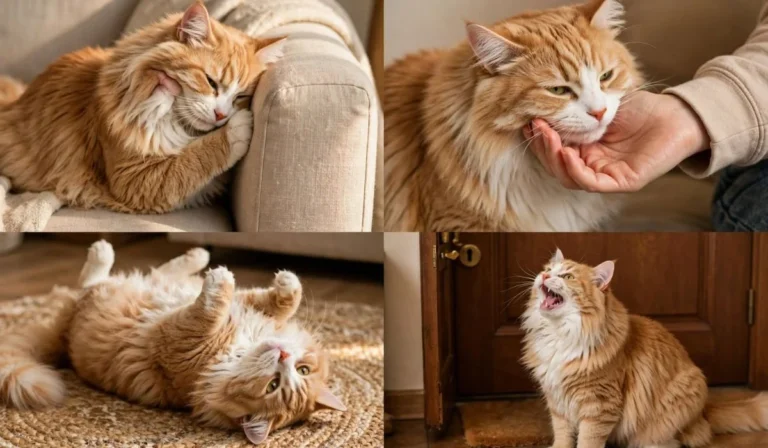

10 Things Your Cat Needs to Be Happy | Essential Cat Care Tips
A happy cat needs more than food and a clean litter box. Cats have natural behavioral needs that include scratching, climbing, exploring, hiding, playing, resting, and interacting with their environment. Meeting these needs can help create a safer, more comfortable, and enriching life for your cat.
Whether you have a playful kitten, an independent adult cat, or a senior companion, understanding what your cat needs to be happy can make everyday life better for both of you. The good news is that many forms of cat enrichment are simple and inexpensive.
Here are 10 important things that can support your cat’s physical comfort, mental stimulation, and emotional well-being.
10 Things Your Cat Needs to Be Happy:

1. Nutritious Food and Fresh Water
Good nutrition is one of the foundations of a healthy and content cat. Cats are obligate carnivores, meaning their natural diet requires nutrients found in animal tissues.
Choose a complete and balanced cat food appropriate for your cat’s life stage and individual needs.
Make Water Easy to Access
Fresh water should be available every day.
Some cats prefer drinking from wide bowls, while others enjoy moving water from a fountain. If your cat does not seem interested in a particular bowl, trying a different shape or location may help.
Keep water containers clean and refill them regularly.
2. A Clean and Comfortable Litter Box
Cats generally prefer clean places to eliminate. A dirty or poorly positioned litter box can cause stress and may contribute to inappropriate elimination.
Give Your Cat Enough Litter Box Options
A commonly used guideline is to provide one litter box per cat plus one additional box, particularly in multi-cat households.
Place boxes in quiet, accessible locations where your cat can use them without feeling trapped or constantly disturbed.
Scoop waste regularly and clean the boxes as needed.
3. A Safe Place to Hide
Even confident cats benefit from having somewhere they can retreat.
A cardboard box, covered cat bed, quiet corner, or cat tunnel can provide a private space when your cat wants to rest or avoid household activity.
Let Your Cat Choose When to Hide
A hiding place should feel safe rather than becoming a place where your cat is repeatedly disturbed.
Never force a frightened cat out simply because they are hiding.
A reliable retreat can help a cat feel more secure in its environment.
4. Regular Play and Mental Stimulation
Cats are natural hunters, and play gives them an opportunity to express behaviors such as stalking, chasing, pouncing, and batting.
Daily play can provide both physical exercise and mental stimulation.
Make Play More Interesting
Instead of using only one toy, rotate different types of enrichment.
You might offer:
- Wand toys during supervised play
- Balls
- Kicker toys
- Puzzle feeders
- Cat tunnels
- Safe interactive toys
- Toy mice
- Treat-dispensing toys
Not every cat enjoys the same activity, so observe which toys capture your cat’s attention.
5. Scratching Posts and Pads
Scratching is a normal feline behavior, not simply a bad habit.
Cats scratch to stretch, maintain their claws, mark areas through scent and visual signals, and engage in a natural behavior.
Provide Different Scratching Options
Some cats prefer vertical scratching posts, while others prefer horizontal pads.
Place scratching surfaces near areas your cat already likes to scratch.
A sturdy scratching post that does not wobble is more likely to be used consistently.
6. Vertical Space for Climbing and Observing
Many cats enjoy being able to move upward and observe their surroundings from an elevated position.
A cat tree, sturdy shelf, window perch, or other secure elevated space can add another dimension to the home.
Why Height Can Matter
Vertical territory can give cats more control over their environment.
In multi-cat homes, elevated resting places can also provide additional options for avoiding unwanted interactions.
Make sure any elevated furniture is stable and cannot easily tip over.
7. A Comfortable Place to Sleep
Cats spend a significant amount of time sleeping and resting.
Your cat may choose a bed, blanket, sofa, cardboard box, or another location that feels comfortable.
Give Your Cat More Than One Resting Spot
Instead of insisting on one designated bed, offer several comfortable choices.
A warm quiet location may appeal to your cat during one part of the day, while a cooler or elevated area may be preferred at another time.
Allowing your cat to choose can make the environment more comfortable.
8. Positive Human Interaction
Cats may have independent personalities, but many still benefit from positive interaction with their caregivers.
Quality time does not always mean constant cuddling.
Your cat may prefer:
- Gentle petting
- Interactive play
- Grooming
- Sitting nearby
- Talking softly
- Training with rewards
- Quiet companionship
Respect Your Cat’s Boundaries
Pay attention to body language.
If your cat moves away, flattens their ears, flicks their tail repeatedly, or otherwise indicates discomfort, give them space.
Respecting boundaries can help build trust.
9. A Safe and Interesting Environment
A cat’s surroundings can strongly influence how much opportunity they have to explore and behave naturally.
An enriched home might include scratching surfaces, hiding places, climbing areas, toys, window views, and food puzzles.
Change Enrichment Without Constantly Changing the Home
You do not need to buy new toys every week.
Try rotating existing toys and introducing different activities occasionally.
For example, you might put away several toys for a few days and then bring them back later.
This can make familiar objects more interesting.
10. Regular Veterinary Care
A happy cat also needs good health care.
Cats are skilled at hiding signs of illness, so subtle changes in behavior can sometimes be important.
Routine veterinary visits allow health concerns to be identified and addressed.
Watch for Changes at Home
Pay attention to changes such as:
- Reduced appetite
- Drinking much more or less than usual
- Changes in litter box habits
- Sudden hiding
- Weight changes
- Reduced activity
- Excessive grooming
- Changes in vocalization
- Difficulty jumping or moving
- Unusual aggression
A sudden behavioral change should not automatically be assumed to be boredom or stress. Pain or illness can sometimes cause similar behaviors.
Read Next: How to Groom a Long Haired Cat
What Makes a Cat Truly Happy?

Cats do not need a luxurious house filled with expensive products to have a good quality of life.
They need an environment where their basic needs are met and where they can express natural behaviors safely.
Think in Terms of Choice
A cat-friendly home gives your cat options.
They should ideally be able to choose where to:
- Sleep
- Hide
- Scratch
- Eat
- Drink
- Play
- Climb
- Observe
- Rest
Giving cats appropriate choices can make their environment more predictable and enriching.
Signs Your Cat May Be Happy
There is no single behavior that proves a cat is happy, but several behaviors can indicate comfort and contentment.
Look for Relaxed Body Language
A comfortable cat may:
- Rest with a relaxed posture
- Groom normally
- Play regularly
- Explore their surroundings
- Eat normally
- Use the litter box consistently
- Seek interaction when they want it
- Sleep comfortably
- Show curiosity
- Maintain normal grooming habits
Every cat has an individual personality, so a quiet cat is not necessarily unhappy.
How to Make Your Cat Happier on a Budget
You do not need to spend a lot of money on enrichment.
Simple Ideas That Cost Little
Try using:
- Cardboard boxes
- Paper bags without handles
- Homemade hiding areas
- Blankets
- DIY puzzle feeders made from safe materials
- Window viewing spots
- Paper balls
- Rotated toys
Always supervise your cat with unfamiliar homemade items initially and remove anything that can be swallowed, shredded, or become tangled.
Creating a Daily Happiness Routine
Cats often benefit from predictable routines.
A simple daily schedule might include meals at consistent times, a short play session, litter box maintenance, and quiet interaction.
Keep the Routine Flexible
You do not need to follow an exact schedule every minute.
Instead, establish predictable patterns while allowing your cat plenty of time to sleep and choose their preferred activities.
What Cats Need Emotionally
Cats experience different emotional states, and their needs extend beyond physical resources.
They benefit from feeling secure and having opportunities to control their interactions with people and other animals.
Don’t Force Social Interaction
Some cats love being picked up and cuddled. Others prefer sitting beside their humans without being held.
A respectful relationship allows the cat to decide when they want closer contact.
How to Tell If Your Cat Needs More Enrichment
A cat that lacks stimulation may display changes in behavior.
Possible Signs of Under-Stimulation
You might notice:
- Increased destructive scratching
- Excessive attention-seeking
- Restlessness
- Repetitive behaviors
- Excessive vocalization
- Increased interest in food
- Lack of interest in surroundings
These behaviors can have many possible causes, however. If a change is sudden, persistent, or unusual for your cat, speak with a veterinarian rather than assuming the problem is simply boredom.
The 10 Essentials at a Glance
For a simple checklist, remember these ten things:
- Nutritious food
- Fresh water
- Clean litter boxes
- Safe hiding spaces
- Daily play
- Scratching opportunities
- Vertical space
- Comfortable resting areas
- Positive human interaction
- Regular veterinary care
Together, these needs support a home environment where cats can feel safe, stimulated, and comfortable.