Why Is My Female Cat Suddenly So Affectionate And Meowing | What Her Behavior Means
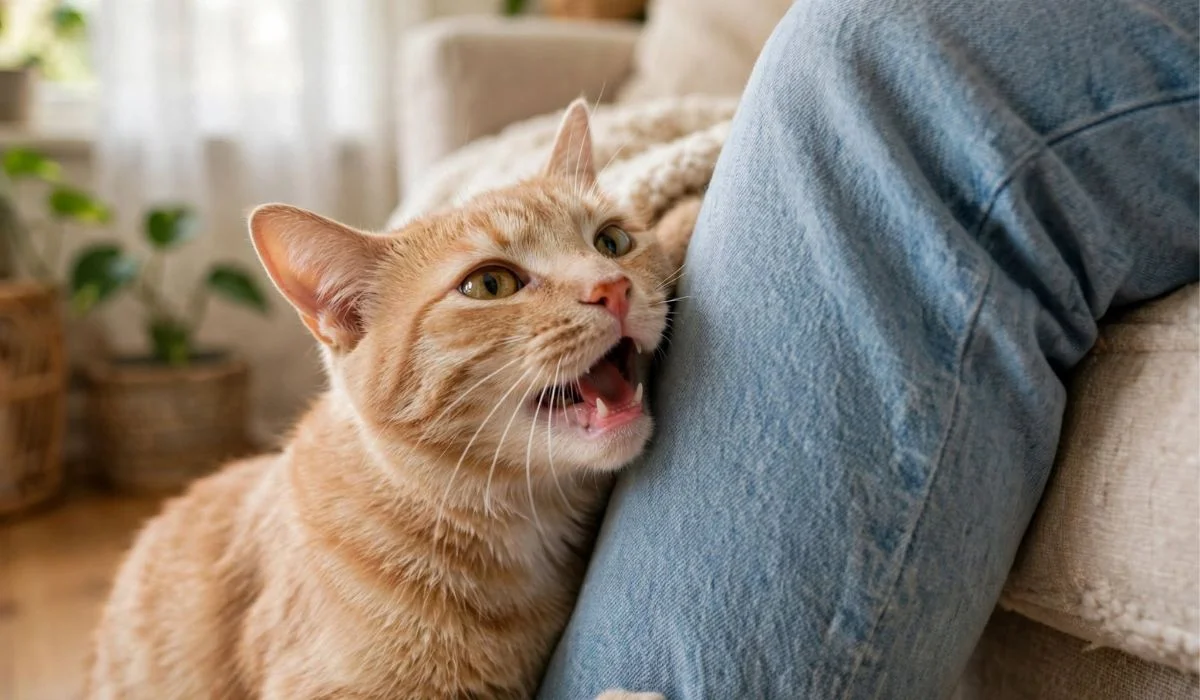
If your female cat is suddenly more affectionate and meowing more than usual, you may wonder whether she is simply feeling extra social or whether something else is happening. A sudden change in behavior can have several explanations, ranging from normal hormonal behavior to changes in her environment, attention-seeking, stress, pain, or illness.
One of the most common reasons an unspayed female cat suddenly becomes extremely affectionate and vocal is that she is in heat. However, heat is not the only possible explanation. Understanding the combination of behaviors, your cat’s age, reproductive status, and any other changes can help you determine what may be going on.
The Most Common Reasons Your Female Cat Is Suddenly Affectionate and Meowing:
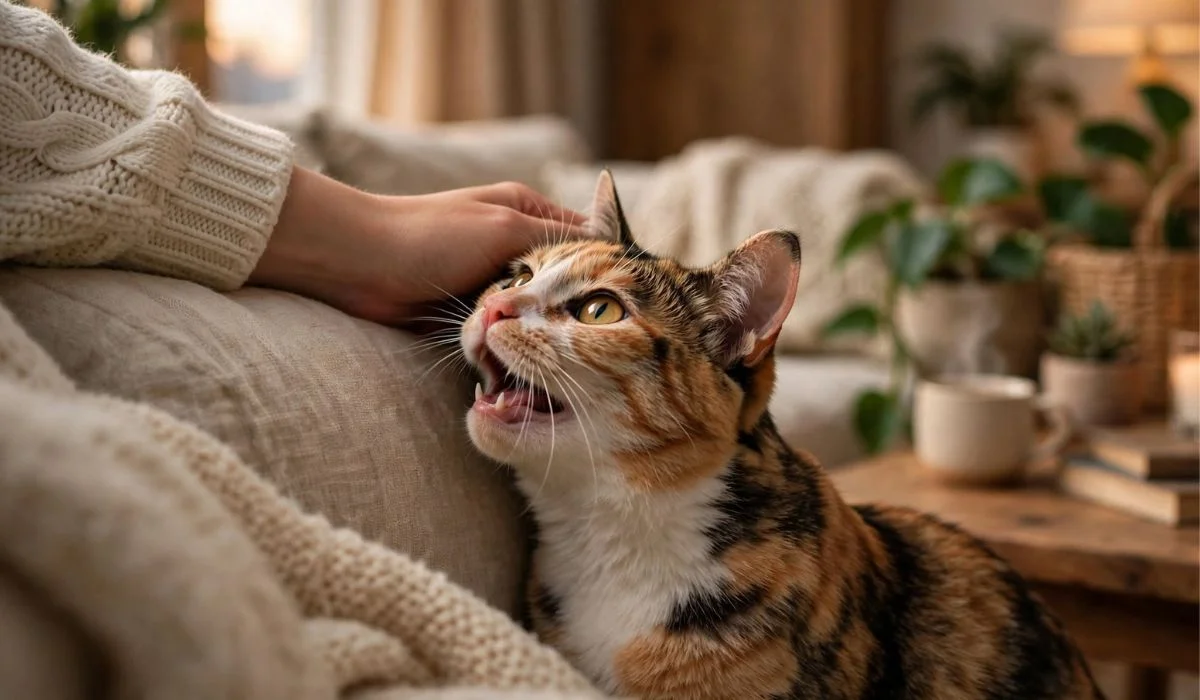
A cat that suddenly follows you around, rubs against your legs, demands attention, and meows frequently may be communicating a specific need.
She May Be in Heat
If your female cat is not spayed, estrus, commonly called being in heat, is one of the first possibilities to consider.
During heat, female cats can become unusually affectionate and vocal. They may rub against people and furniture, roll around on the floor, raise their hindquarters, move their tail to one side, and repeatedly call or meow.
The vocalization can sound much louder or more persistent than your cat’s usual meow.
Hormonal Behavior Can Be Surprisingly Intense
A cat in heat may seem like she has suddenly developed a completely different personality.
She may want constant attention, follow you from room to room, become restless, and repeatedly attempt to get outside. These behaviors are driven largely by reproductive hormones rather than simply a desire for extra cuddles.
If your cat is not intended for breeding, speak with a veterinarian about spaying.
How to Tell If Your Female Cat Is in Heat:
Affection and meowing alone cannot confirm that a cat is in heat. Look for several behaviors occurring together.
Common Signs of Heat
A female cat in heat may:
- Become unusually affectionate
- Rub against people, furniture, and walls
- Meow, yowl, or call repeatedly
- Roll around on the floor
- Raise her hindquarters when touched near the back
- Move her tail to the side
- Become restless
- Try harder to escape outdoors
- Urinate more frequently or mark areas
- Become especially interested in doors and windows
Not every cat displays every sign, and individual behavior can vary.
How Long Does a Cat Stay in Heat?
A heat period can last several days, although the exact duration varies. If a female cat does not mate, heat may return after a relatively short interval.
Repeated cycles can make the behavior seem like it is happening frequently.
She May Simply Want More Attention:
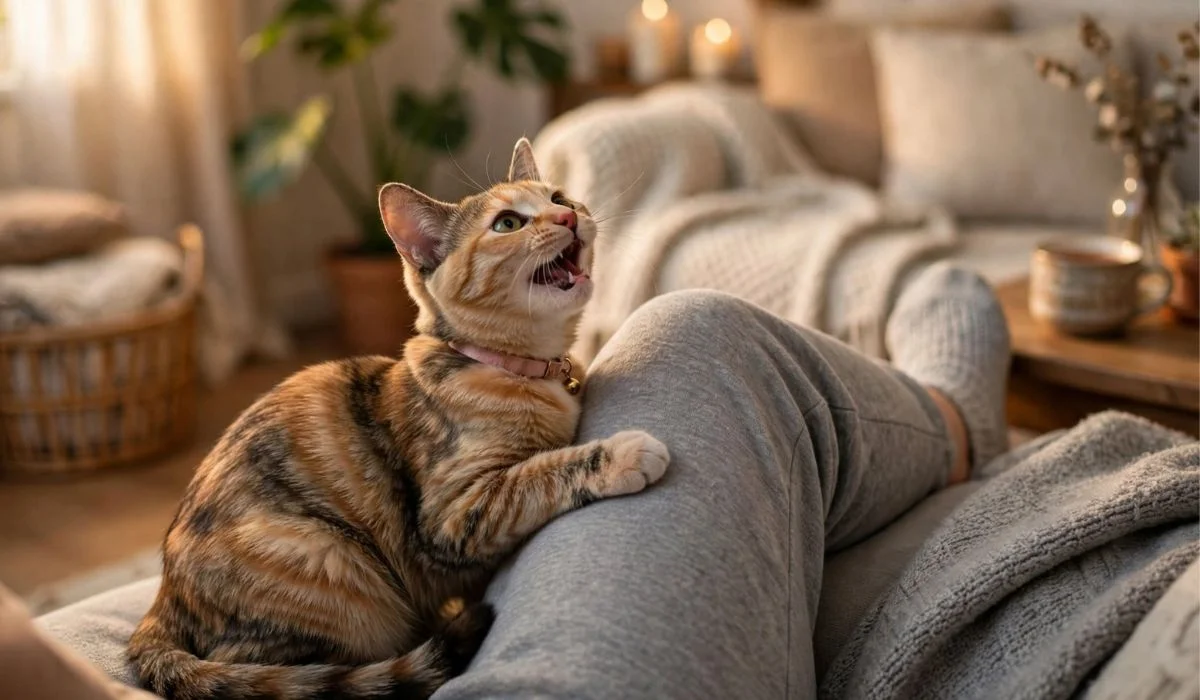
Not every affectionate, vocal cat is experiencing hormonal behavior.
Cats can learn that meowing gets a response from their humans. If you consistently talk to, pet, feed, or play with your cat after she meows, she may learn that vocalizing is an effective way to get your attention.
Look at When the Meowing Happens
Pay attention to the timing.
If your cat mainly meows when you are working, sitting down, preparing food, or leaving the room, attention-seeking may be part of the explanation.
If the meowing is sudden, persistent, or accompanied by other unusual behaviors, it is worth considering other causes as well.
Your Cat May Be Responding to a Change at Home:
Cats are creatures of habit. Even relatively small environmental changes can affect their behavior.
Common Changes That Can Trigger New Behavior
Think about whether anything has recently changed, such as:
- A new pet
- A new person in the home
- Furniture being moved
- Construction or loud noises
- A different work schedule
- Changes in feeding times
- A new litter box location
- Moving to another home
- A new outdoor cat appearing nearby
Your cat may become more affectionate because she wants reassurance or more interaction.
Read Next: How To Keep A Kitten Entertained
She May Be Bored or Understimulated
A cat that lacks enough mental or physical enrichment may become more demanding.
If your female cat has suddenly started following you around and meowing, consider whether her daily routine has changed.
Add More Interactive Activities
Try incorporating:
- Short wand-toy sessions
- Puzzle feeders
- Treat-searching games
- Scratching posts
- Cat trees
- Window perches
- Toy rotation
- Short training sessions
If boredom is contributing to the behavior, increasing appropriate enrichment may make a noticeable difference.
She Could Be Hungry or Expecting Food
Cats are excellent at learning household routines.
If your cat starts meowing around the same time every day, she may associate that time with breakfast, dinner, or treats.
Food-Related Meowing Has a Pattern
A hungry cat may walk toward her food area, look at you, vocalize, and become increasingly persistent as mealtime approaches.
However, a sudden and dramatic increase in hunger or thirst should not simply be dismissed as normal begging. Certain health problems can cause changes in appetite and drinking.
She May Want Something Specific
Cats do not meow only because they want affection.
Your cat could be trying to tell you that she wants access to a room, needs her litter box cleaned, wants water, wants to play, or is uncomfortable with something in her environment.
Check the Basic Needs First
Before assuming the behavior is emotional, check:
- Food and water availability
- Litter box cleanliness
- Room temperature
- Access to favorite resting areas
- Potential sources of noise
- Possible outdoor animals
- Recent household changes
Sometimes the reason is surprisingly simple.
Pain or Illness Can Cause Increased Vocalization
A sudden behavior change should not always be interpreted as a personality change.
Cats can hide signs of illness, and increased vocalization or unusual affection can sometimes accompany discomfort.
Watch for Other Warning Signs
Pay attention to symptoms such as:
- Reduced appetite
- Vomiting
- Diarrhea
- Difficulty urinating
- Frequent trips to the litter box
- Changes in drinking
- Weight loss
- Hiding
- Limping
- Difficulty jumping
- Excessive grooming
- Lethargy
- Restlessness
- Changes in sleep
- Vocalizing when touched
A combination of behavioral and physical changes deserves more attention than meowing alone.
Older Female Cats May Become More Vocal
Age can influence feline behavior.
Older cats may become more vocal for several reasons, including changes in sensory function, cognitive changes, anxiety, or underlying health problems.
Sudden Changes in Senior Cats Matter
If an older female cat becomes dramatically more affectionate or vocal without an obvious explanation, schedule a veterinary evaluation rather than assuming she is simply becoming more cuddly with age.
Why Does My Female Cat Follow Me Everywhere and Meow?
Following you around while meowing can indicate social attachment, attention-seeking, hunger, anxiety, or hormonal behavior.
Look for the Complete Pattern
Consider what happens immediately before and after the behavior.
If she follows you, rubs against your legs, rolls around, raises her hindquarters, and vocalizes loudly, heat is a strong possibility if she is unspayed.
If she follows you primarily when you leave the room or stop giving her attention, social or attention-seeking behavior may be more likely.
Why Is My Female Cat Suddenly So Affectionate at Night?
Cats are naturally active around dawn and dusk, and some become particularly energetic or vocal during nighttime hours.
Nighttime Meowing Can Have Several Causes
Your cat may be:
- Looking for attention
- Ready to play
- Hungry
- Responding to outdoor sounds
- Experiencing hormonal behavior
- Feeling anxious
- Experiencing discomfort
If nighttime vocalization is new and persistent, consider whether anything has changed in her environment or health.
Why Does My Female Cat Suddenly Want to Be Petted Constantly?
A cat may suddenly seek more physical contact because she wants attention, feels anxious, is experiencing hormonal changes, or has learned that affection produces a rewarding response.
Respect Her Body Language
Affection should remain voluntary.
If your cat seeks petting, you can interact with her, but watch for signs that she has had enough, such as tail flicking, skin twitching, flattened ears, moving away, or sudden irritability.
Does Spaying Stop Heat-Related Meowing?
Spaying prevents normal reproductive cycles and therefore eliminates the heat behaviors associated with those cycles.
Talk to Your Veterinarian About Timing
If your cat is not intended for breeding, a veterinarian can explain the appropriate timing for spaying based on her age, health, and individual circumstances.
Spaying is also an important part of responsible reproductive care because it prevents unwanted pregnancies.
What You Should Do When Your Cat Suddenly Becomes Affectionate
Instead of immediately worrying, take a few minutes to observe the full behavior pattern.
Start With a Simple Checklist
Ask yourself:
- Is she spayed?
- When did the behavior begin?
- Is she eating and drinking normally?
- Is she using the litter box normally?
- Has anything changed at home?
- Is she showing signs of heat?
- Is she playing and moving normally?
- Does she seem comfortable when touched?
- Is she sleeping normally?
- Are there any other physical or behavioral changes?
This information can be useful if you eventually need to discuss the behavior with a veterinarian.
When Should You Call a Veterinarian?
A sudden behavioral change deserves attention when it is persistent, severe, or accompanied by physical symptoms.
Seek Veterinary Advice for Concerning Changes
Contact a veterinarian if your cat has sudden excessive vocalization along with signs of pain, difficulty urinating, repeated vomiting, significant appetite changes, lethargy, breathing problems, unusual weakness, or other concerning symptoms.
If your cat appears seriously ill or is having difficulty breathing, seek urgent veterinary care.
Frequently Asked Questions
Why is my female cat suddenly so affectionate and meowing?
If she is unspayed, being in heat is a common reason for sudden affection and increased vocalization. Other possibilities include attention-seeking, hunger, environmental changes, anxiety, boredom, pain, or illness.
How can I tell if my female cat is in heat?
Common signs include loud vocalization, increased affection, rubbing against objects, rolling on the floor, raising the hindquarters, moving the tail aside, restlessness, and attempts to get outside. An unspayed female showing several of these behaviors may be in heat.
Why is my female cat meowing and rubbing against me?
Rubbing can be a normal social and scent-marking behavior. If it occurs alongside loud vocalization, rolling, restlessness, and other reproductive behaviors, she may be in heat if she is unspayed.
Why is my female cat suddenly clingy?
She may want attention, reassurance, food, play, or social interaction. Hormonal changes can also cause increased affection. If the clinginess is sudden and accompanied by other unusual symptoms, a health problem should also be considered.
Can a female cat in heat become more affectionate?
Yes. Female cats in heat can become noticeably more affectionate and may seek increased physical contact with people and objects.
Does a cat in heat meow a lot?
Yes. Increased vocalization, including persistent meowing, calling, or yowling, is a common sign of heat in an unspayed female cat.
Why is my female cat suddenly meowing at night?
Nighttime meowing can result from normal activity patterns, hunger, boredom, attention-seeking, environmental stimulation, hormonal behavior, anxiety, or health problems. A sudden change should be observed carefully.
Should I ignore my cat when she keeps meowing?
Not automatically. First determine whether she needs food, water, a clean litter box, attention, play, or medical care. If the meowing is attention-seeking, consistently rewarding every vocalization may reinforce the behavior.
Can stress make a female cat more affectionate?
Yes. Some cats respond to stress by becoming more clingy or seeking reassurance from their owners, while others hide or become withdrawn. Changes in the home environment can help explain sudden behavioral differences.
What if my female cat is spayed but suddenly becomes very affectionate and vocal?
Heat is less likely after a properly performed spay, so consider other explanations such as attention-seeking, environmental changes, anxiety, boredom, or an underlying health issue. If the change is sudden or persistent, speak with a veterinarian.
Why is my female cat acting weird but still eating normally?
Normal appetite does not rule out every possible cause of behavioral change. Monitor her litter box habits, energy level, movement, sleep, grooming, vocalization, and interactions. Persistent or worsening changes should be discussed with a veterinarian.


