
Why Does My Cat Love Me So Much All Of A Sudden | Understanding Sudden Affection and Changes in Your Cat’s Behavior
If your cat has suddenly started following you everywhere, sitting on your lap, sleeping beside you, or demanding more attention, you may be wondering, “Why does my cat love me so much all of a sudden?”
A sudden increase in affection can be completely normal. Cats change their behavior for many reasons, including changes in their routine, increased trust, environmental changes, temperature, hunger, boredom, or simply a new preference for spending time with you.
However, a noticeable behavioral change should not always be interpreted as increased affection. Cats sometimes become unusually clingy when they are stressed, uncomfortable, or unwell. Looking at the entire pattern of behavior can help you understand what your cat is communicating.
Your Cat May Finally Feel More Comfortable With You
One of the simplest explanations is that your cat’s trust has grown.
Cats do not always form a close relationship with a person immediately. Some need weeks or months to become completely comfortable.
Trust Can Develop Gradually
Your cat may suddenly begin:
- Sitting beside you
- Following you around the house
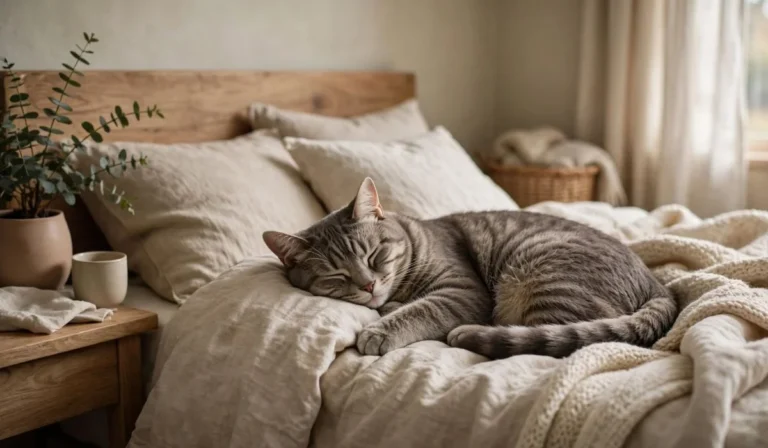
- Sleeping near you
- Rubbing against your legs
- Asking for petting
- Sitting on your lap
- Greeting you at the door
- Seeking you out for play
What looks sudden to you may actually be the result of a gradual increase in trust.
Your Daily Routine May Have Changed
Cats are creatures of habit, and even small changes in your schedule can affect their behavior.
Perhaps you have recently been spending more time at home, feeding your cat at different times, playing more often, or working in a room where your cat likes to stay.
Your Cat May Be Responding to the New Routine
If your cat has learned that being near you results in positive experiences, they may start seeking you out more frequently.
For example, if you recently started giving your cat a few minutes of play every evening, your cat may begin waiting for you around that time.
Your Cat May Have Learned That You Are a Source of Comfort:
Cats can form strong associations with familiar people.
You provide food, safety, warmth, attention, and predictable interactions. Over time, your presence can become associated with comfort.
Your Cat May Choose You During Uncertainty
If something in the environment has changed, your cat may seek out the person they trust most.
Construction noise, visitors, another animal, furniture changes, or unfamiliar smells can make some cats more interested in staying close to their preferred person.
Your Cat May Want More Attention
Sometimes the explanation is wonderfully simple: your cat wants attention.
Cats may learn that certain behaviors get a response from their humans.
Affection Can Become a Learned Behavior
If your cat approaches you and receives petting, treats, play, or conversation, they may repeat the behavior.
This does not mean the affection is fake. Cats can genuinely enjoy social interaction while also learning which behaviors produce rewarding responses.
Your Cat May Be Bored
A cat that lacks stimulation may seek out their human more frequently.
Indoor cats especially benefit from opportunities to play, climb, scratch, explore, and investigate.
Look at the Rest of Their Behavior
If your cat suddenly becomes clingy while also:
- Demanding play
- Knocking objects over
- Scratching excessively
- Vocalizing frequently
- Searching for things to do
- Following you constantly
they may need additional environmental enrichment.
Adding interactive play, scratching surfaces, puzzle feeders, climbing areas, and safe toys may help.
Read Next: How Do I Know If My Cat Is Happy Living With Me?
Your Cat May Be Hungry
Food is another possible explanation for sudden attention.
If affection tends to happen around meal times, your cat may be communicating that they are ready to eat.
Watch the Timing
If your cat becomes especially affectionate shortly before meals, the behavior may be connected to their feeding routine.
However, a sudden and persistent increase in appetite should be discussed with a veterinarian, especially if it occurs alongside weight loss, increased thirst, or other changes.
Your Cat May Be Seeking Warmth
Temperature can influence feline behavior.
Cats often seek warm and comfortable places for resting, particularly when the environment becomes cooler.
You May Be the Warmest Spot in the Room
Your lap, bed, or body may provide a comfortable source of warmth.
If your cat suddenly starts sleeping against you more often during cooler weather, temperature may be part of the explanation.
Your Cat May Be Responding to Your Smell
Scent is extremely important to cats.
Your clothing, bedding, furniture, and body all carry familiar smells that help make your home recognizable.
Familiar Scents Can Be Reassuring
If you have recently returned from traveling or spending time away from home, your cat may initially investigate your scent.
They may also become more affectionate after you return because your presence has become familiar again.
Your Cat May Have Missed You
Cats can form strong social bonds with their caregivers.
If you have been away longer than usual, your cat may respond to your return by staying closer to you.
Watch How They Behave After You Return
Your cat might:
- Follow you
- Rub against you
- Vocalize
- Sit beside you
- Sleep near you
- Ask to be petted
- Bring you toward their food or play area
These behaviors can be consistent with social attachment.
Your Cat May Be Going Through a Life-Stage Change
A cat’s behavior can change as they mature.
Kittens, young adults, mature cats, and senior cats may have different social and activity patterns.
Personality Can Become More Obvious With Age
Some cats become calmer and more affectionate as they mature.
A cat that was highly independent when young may become more interested in quiet companionship later in life.
Your Cat May Be Responding to Another Pet
The arrival or presence of another animal can change how a cat interacts with their human.
If another pet has started occupying favorite spaces or receiving attention, your cat may seek additional interaction.
Watch for Competition or Stress
In multi-pet homes, make sure each cat has access to important resources such as food, water, litter boxes, resting areas, scratching surfaces, and hiding places.
A sudden increase in clinginess combined with hiding, aggression, appetite changes, or litter box problems may indicate stress rather than simple affection.
Your Cat May Be Feeling Anxious
This is one of the reasons not to automatically assume that sudden clinginess means your cat has become more loving.
Some cats seek their trusted person when they are nervous.
Look for Other Signs of Stress
Possible signs include:
- Hiding more than usual
- Excessive vocalization
- Restlessness
- Flattened ears
- Dilated pupils
- Excessive grooming
- Changes in appetite
- Avoiding the litter box
- Sudden aggression
If several of these behaviors appear together, investigate what may have changed in the environment.
Your Cat Could Be Experiencing Pain or Illness
A sudden change in affection can occasionally have a medical explanation.
Some cats become unusually attached to their caregivers when they are uncomfortable because they are seeking reassurance.
Pay Attention to Physical Changes
Be particularly attentive if increased clinginess occurs alongside:
- Reduced appetite
- Weight loss
- Vomiting
- Diarrhea
- Changes in drinking
- Difficulty walking
- Reduced jumping
- Excessive sleeping
- Changes in grooming
- Unusual vocalization
- Changes in urination
A significant or unexplained behavioral change warrants veterinary attention.
Your Cat May Be Getting Older
Senior cats can experience changes in behavior, activity, sensory function, and cognitive function.
An older cat may become more dependent on familiar people or seek additional reassurance.
Don’t Assume Every Change Is Simply Aging
If an older cat suddenly becomes much more vocal, clingy, confused, restless, or withdrawn, a veterinary examination is worthwhile.
Some health problems can produce behavioral changes that may look like personality changes.
Your Cat May Have Chosen You as Their Favorite Person
Yes, cats can develop preferences for particular people.
A cat may choose the person who feeds them, plays with them, provides the most predictable interaction, or simply makes them feel safest.
Favorite-Person Behaviors
Your cat may show a preference by:
- Following you
- Sleeping with you
- Greeting you first
- Choosing your lap
- Rubbing against you
- Bringing toys to you
- Looking for you when you leave
- Relaxing more deeply around you
This does not necessarily mean your cat dislikes other members of the household. Cats can have different relationships with different people.
How Cats Show That They Trust You
Trust is often more meaningful than dramatic displays of affection.
A cat that trusts you may relax completely in your presence.
Look for These Quiet Signs
Your cat may:
- Sleep with their back toward you
- Stretch out near you
- Slow blink at you
- Groom themselves nearby
- Expose their side or back
- Approach you voluntarily
- Allow gentle handling
- Play comfortably around you
These behaviors can indicate that your cat feels secure.
Should You Encourage Your Cat’s Sudden Affection?
If your cat is healthy, relaxed, and clearly enjoying interaction, there is usually no reason to discourage appropriate affection.
Respond according to your cat’s preferences.
Let Your Cat Set the Pace
Offer gentle petting, play, or quiet companionship.
If your cat moves away, respect their decision.
Cats often build stronger relationships when they learn that their boundaries will be respected.
How to Tell If It’s Affection or Something Else
The easiest way to understand sudden clinginess is to compare it with your cat’s other behaviors.
Use the Whole-Behavior Test
Ask yourself:
Is my cat eating normally?
Are they drinking normally?
Are they using the litter box normally?
Are they grooming normally?
Are they playing or exploring?
Do they look relaxed?
Have there been any changes at home?
If everything else seems normal and your cat is simply spending more time with you, increased affection may be the most likely explanation.
If several other behaviors have changed, consider stress or a health issue.
What to Do When Your Cat Becomes Extra Affectionate
Enjoy the attention, but also observe your cat.
Give them opportunities for positive interaction without forcing contact.
Create More Positive Moments Together
You can strengthen your relationship through:
- Short play sessions
- Gentle grooming
- Interactive toys
- Treat-based training
- Quiet companionship
- Window watching
- Puzzle feeders
- Relaxed petting
Your cat does not need constant attention. Consistent, positive interaction is more important.
When Should You Call the Veterinarian?
A sudden behavior change deserves more attention when it is dramatic, persistent, or accompanied by physical symptoms.
Don’t Ignore Concerning Changes
Contact a veterinarian if your cat becomes unusually clingy and you also notice changes in eating, drinking, elimination, mobility, grooming, sleep, vocalization, or general energy.
Cats are good at hiding illness, so behavior changes can sometimes be an early clue that something is wrong.
Final Thoughts
So, why does my cat love me so much all of a sudden? There are many possible explanations, and the simplest one may be that your cat has developed greater trust and enjoys your company more.
Changes in routine, increased attention, boredom, hunger, warmth, missing you, environmental changes, age, or social preferences can all influence feline behavior. At the same time, sudden clinginess can occasionally accompany stress, pain, or illness.
The best way to understand your cat is to look at the complete picture. If they are eating normally, using the litter box, grooming, playing, exploring, and appearing relaxed, their sudden affection may simply be a wonderful sign that your bond has grown stronger.
Enjoy those extra cuddles—but keep paying attention to what your cat’s behavior is telling you.
Frequently Asked Questions
Why is my cat suddenly so affectionate?
Your cat may have become more comfortable with you, missed you, adjusted to a new routine, or simply developed a stronger preference for your company. Hunger, warmth, boredom, stress, and health problems can also influence sudden changes in behavior.
Why does my cat follow me everywhere all of a sudden?
Following you can indicate social attachment, curiosity, a desire for attention, or a learned association with food and play. If your cat is otherwise relaxed and behaving normally, it may simply enjoy being around you.
Does my cat love me if they suddenly sleep with me?
Choosing to sleep near you can indicate that your cat feels comfortable and secure around you. Cats are vulnerable while sleeping, so choosing a familiar person or location can be a reassuring behavior.
Why does my cat want to sit on me all of a sudden?
Your cat may be seeking warmth, comfort, attention, or companionship. If the behavior is new but your cat otherwise seems healthy and relaxed, it may simply reflect a change in their preference.
Can cats become more affectionate as they get older?
Yes. Some cats become calmer and more interested in companionship as they mature. However, sudden changes in an older cat’s behavior should be monitored because medical conditions can also affect behavior.
Why does my cat suddenly want more attention?
Your cat may be bored, seeking interaction, responding to a change in routine, or enjoying a stronger bond with you. Increased attention-seeking accompanied by unusual behavior or physical symptoms should be evaluated by a veterinarian.
Why is my cat suddenly clingy but not usually affectionate?
Clinginess can sometimes occur because a cat is seeking reassurance. Stress, environmental changes, pain, or illness can cause a cat to behave differently, so look for additional changes rather than assuming it is purely affection.
Does my cat know that I love them?
Cats may not understand human love exactly as people do, but they can learn that a caregiver provides safety, food, comfort, play, and positive interactions. These repeated experiences can contribute to a strong bond.
Why does my cat suddenly follow me to the bathroom?
Your cat may simply be curious about where you are going or enjoy being near you. If following behavior is accompanied by increased vocalization, anxiety, or other unusual changes, observe the broader behavior pattern.
Why does my cat stare at me and then come closer?
Your cat may be monitoring your behavior and deciding whether to interact. If their body language is relaxed, approaching you afterward can be a normal social behavior.
Why does my cat suddenly want to sleep next to me every night?
Your body provides warmth, and your presence may also feel familiar and secure. Changes in household temperature, routine, or your cat’s social preferences can all contribute to this behavior.
Should I worry if my cat suddenly becomes extremely affectionate?
Not necessarily, but sudden behavioral changes should be observed. If extreme affection occurs with appetite changes, vomiting, altered litter habits, excessive vocalization, weakness, pain, or other unusual symptoms, contact a veterinarian.
Can stress make a cat more affectionate?
Yes. Some cats seek their trusted caregiver when they feel uncertain or stressed. Look for other signs such as hiding, excessive grooming, restlessness, changes in appetite, or altered litter box behavior.
How can I encourage my cat to stay affectionate?
Build positive associations through gentle interaction, play, predictable routines, enrichment, and respecting your cat’s boundaries. Avoid forcing cuddles or handling when your cat wants space.